The story
More than acafeteria.
For decades, Saint’s Paradise has been serving something bigger than a meal.
In a city built on monuments and marble, the truest taste of Washington has always been a tray of home cooking in a church basement.
The familiar plate. The friendly face behind the counter. The smell that hits you before you even sit down. The recipe that reminds somebody of home. For the people of this neighborhood - and for the conventioneers, the commuters and the curious who wander two blocks off the tourist trail - that is Saint’s Paradise.
“This is food with a story.”
Early 1980s
The beginning
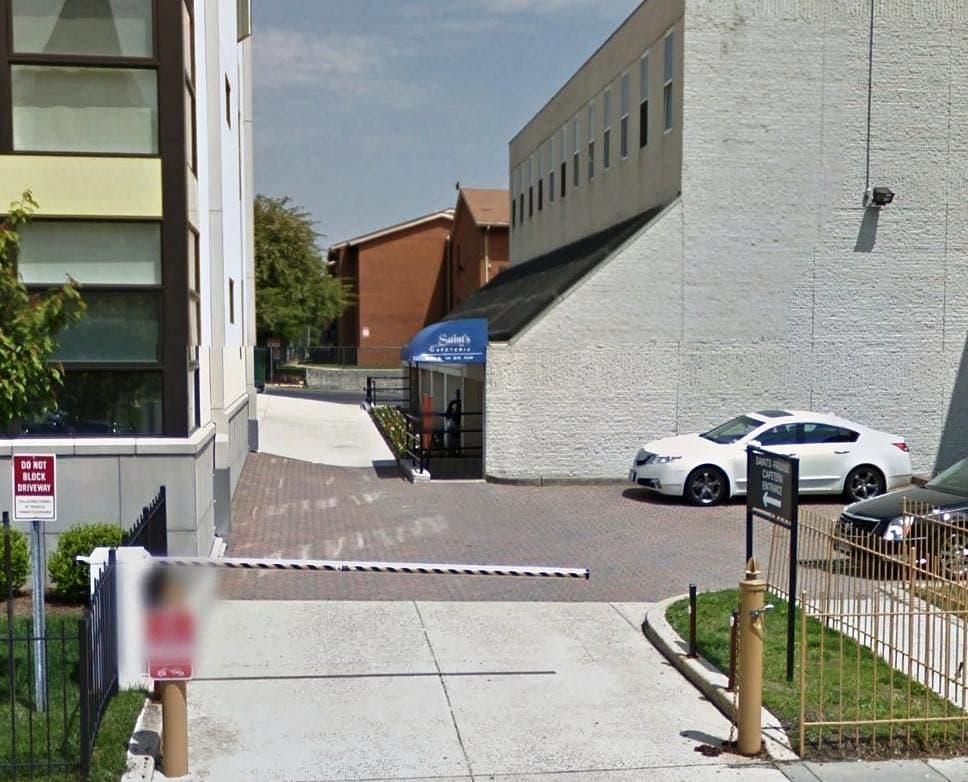
In the basement of the United House of Prayer for All People, a cafeteria opened its doors on M Street. The Washington Post traces Saint's Paradise back to the early 1980s - a church kitchen that became a community anchor as the neighborhood changed around it.
The way it works
A tray, a line, a plate
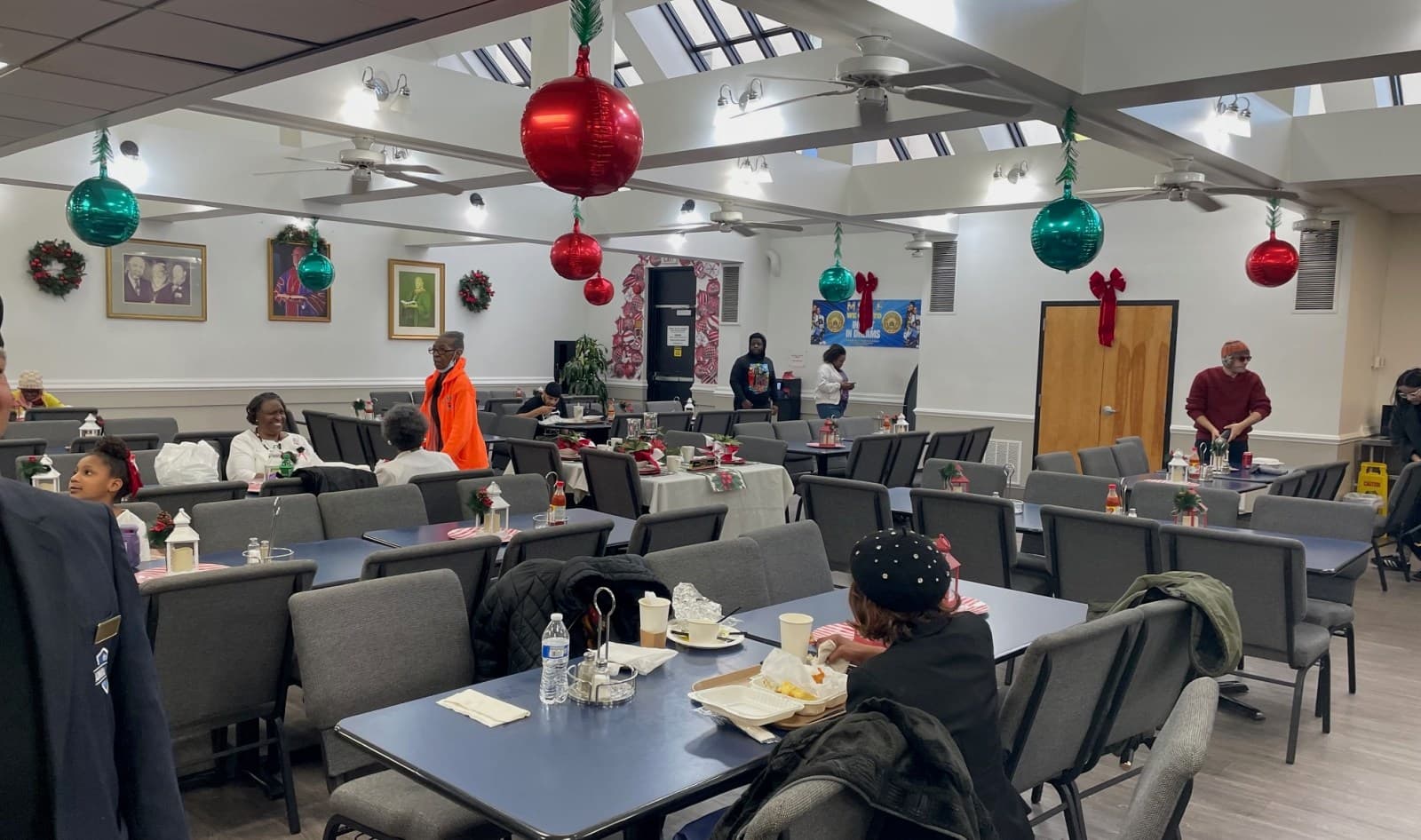
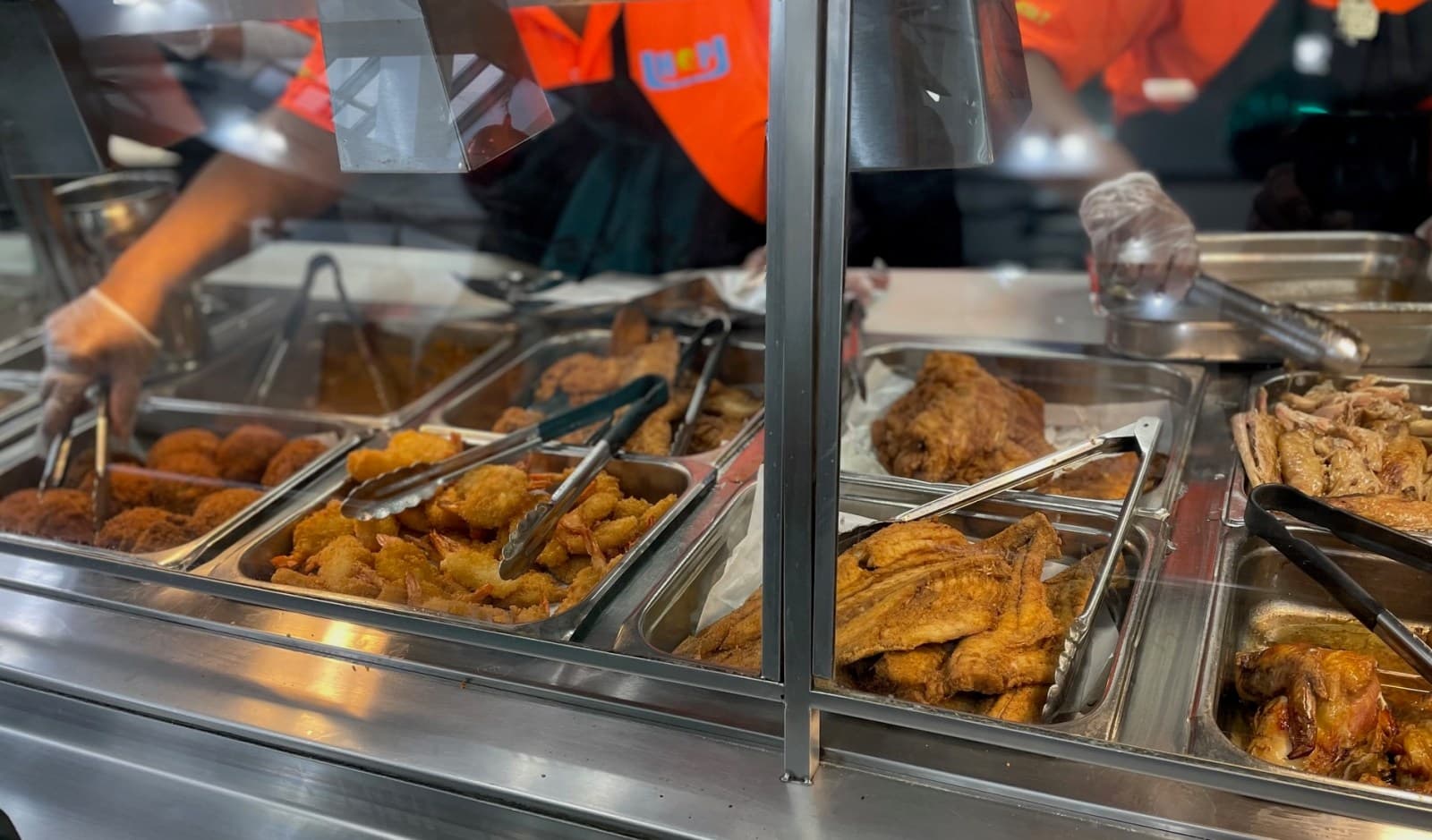
There is no ordering kiosk and no reservation book. You take a tray, slide past the heat table, and the church ladies serve you from the steam - the way cafeterias have always served the city. Right next to the baptismal pool, of all places.
The food
Church-basement cooking
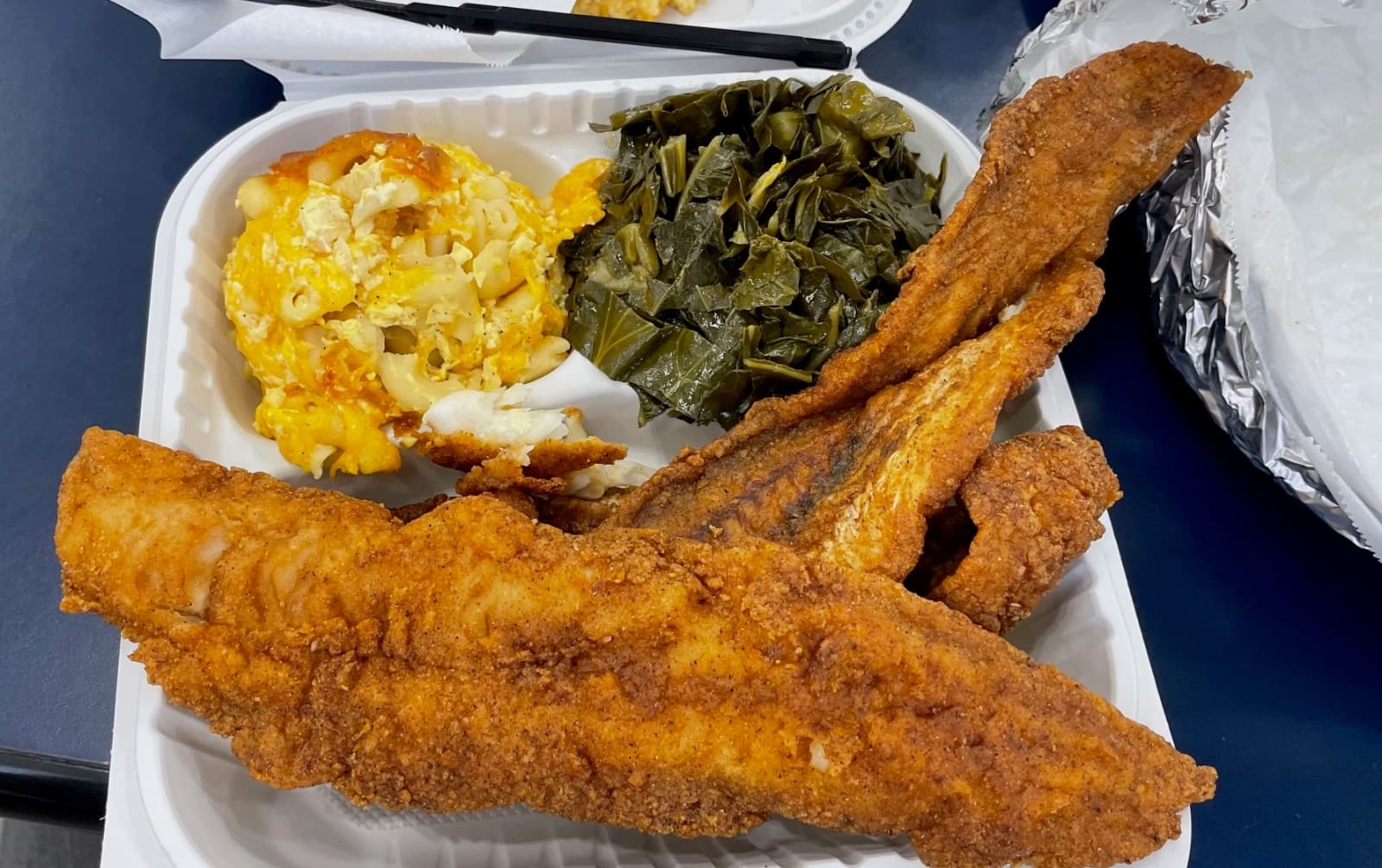
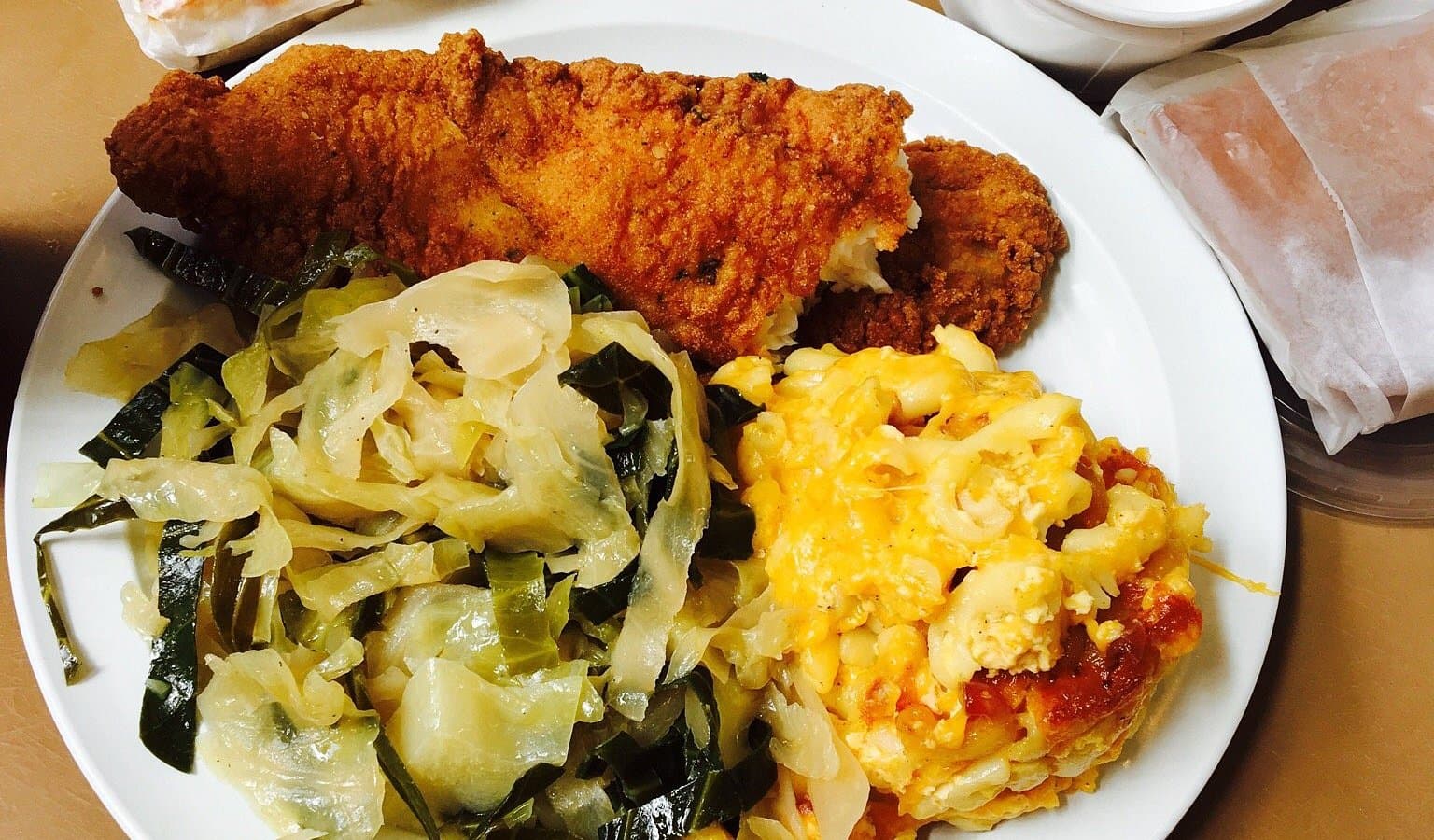
Baked mac and cheese with a real browning crust. Collards cooked long. Whiting fried crisp, with Texas Pete on every table. Recipes that travel from southern kitchens up to a DC basement and taste like somebody's Sunday dinner - because that is exactly what they are.
The people
The secret ingredient
Customers call them “the church ladies” - the ones doing the cooking, the serving and the cleaning, like a trip home to grandma's house after church supper. Come for the food. Stay for the welcome.
Today
Still here
Two blocks from the Convention Center, a short walk from Mount Vernon Square Metro, the line keeps forming. In a city that turns over every half decade, Saint's Paradise is the constant - soul food, DC roots, made with love.
In print
The Washington Post called Saint’s Paradise “a soulful constant” in an ever-changing DC.